
Character Traits List: 200 Positive, Neutral and Negative Traits for Writers
A character trait is a lasting quality of a character's personality, such as loyal, curious, stubborn or shy, that shows in how they think, speak and act. Traits are what readers mean when they say they “know” a character: they can guess what that person would do next.
This list has 200 traits for fiction writers, split into positive, neutral and negative, and grouped by area so you can find a word fast. After the list, you'll find a quick way to build a character from a handful of traits and make them feel like one person rather than a list.
At a glance
- Three to five core traits are enough for a major character. A list of twenty makes a character harder to picture, not easier
- Mix positive and negative. A trait that helps in one scene can hurt in another
- The most interesting characters have traits that pull against each other: brave but anxious, kind but proud
- Traits only count once they show in a scene. Telling readers a character is generous doesn't make them generous
200 character traits
Positive traits
affectionate, caring, compassionate, considerate, empathetic, friendly, generous, gentle, gracious, hospitable, kind, loving, loyal, nurturing, patient, supportive, sympathetic, tender, thoughtful, warm
adventurous, ambitious, bold, brave, committed, courageous, decisive, determined, diligent, disciplined, energetic, hardworking, persistent, proactive, resilient, resourceful, self-reliant, steadfast, tenacious, tough
analytical, clever, creative, curious, discerning, imaginative, insightful, intelligent, inventive, logical, observant, open-minded, perceptive, quick-witted, rational, sharp, reflective, wise, witty, knowledgeable
calm, candid, cheerful, conscientious, dependable, diplomatic, fair, forgiving, good-humored, grateful, honest, honorable, humble, modest, optimistic, principled, responsible, sincere, trustworthy, upbeat
Neutral traits
Neutral traits can work for or against a character depending on the situation. They're often the most useful for building a believable person.
reserved, outgoing, quiet, talkative, private, open, formal, casual, serious, playful, blunt, tactful, solitary, sociable, traditional, unconventional, polite, irreverent, earnest, dry
cautious, spontaneous, methodical, improvising, competitive, cooperative, frugal, extravagant, intense, easygoing, orderly, messy, punctual, unhurried, careful, brisk, routine-driven, flexible, focused, wide-ranging
sentimental, unsentimental, idealistic, pragmatic, religious, skeptical, nostalgic, forward-looking, introspective, action-oriented, romantic, realistic, dreamy, down-to-earth, sensitive, thick-skinned, proud, self-effacing, emotional, stoic
Negative traits
For each of these in a story context, with the kind of trouble it causes, see the Character Flaws List.
arrogant, bossy, callous, condescending, cruel, deceitful, disloyal, envious, gossipy, greedy, hostile, jealous, judgmental, manipulative, petty, rude, selfish, spiteful, tactless, vindictive
anxious, bitter, cowardly, cynical, hot-tempered, impatient, insecure, irritable, melodramatic, moody, needy, paranoid, pessimistic, self-pitying, sullen, thin-skinned, timid, vain, volatile, whiny
absent-minded, careless, closed-minded, gullible, impulsive, indecisive, inflexible, lazy, naive, negligent, obsessive, overconfident, procrastinating, reckless, rigid, scatterbrained, short-sighted, stubborn, undisciplined, wasteful
How to build a character from traits
- Pick one core trait. The one that drives most of the character's choices. If you had to describe them in one word, what is it?
- Add one or two supporting traits. They should fit the core trait or explain it. A loyal character might also be protective and a little suspicious of strangers.
- Add one trait that complicates it. Pick one that pulls against the core, like loyal but dishonest or brave but anxious, so the character has something to struggle with.
- Add a negative trait if you don't have one. A character with only positive traits is hard to believe.
- Check against the story. Will these traits matter in the scenes you're planning? A trait that never affects a choice can go.
As an example, take Mia Toren from They Say I'm a Dark Mage, but All I'm Good At Is Digging Dirt, the story in TypeTak's Web Novel Course. Mia is the only person who knows that Clay, everyone's “dark mage,” is really an earth mage. The traits are examples chosen for this guide.
| Role | Trait | How it shows |
|---|---|---|
| Core | Loyal | She keeps Clay's secret even when telling would make her life easier |
| Supporting | Observant | She worked out his real element before anyone else did |
| Supporting | Practical | When a misunderstanding spreads, she cleans up after it without a word |
| Complicating | Reserved | She covers for him without saying how much it costs her |
| Negative | Stubborn | Once she's decided to protect him, she won't hear that she should stop |
Trait pairs that create tension
Pairs of traits that seem to contradict each other make characters feel real. Most people are a little of both.
brave but anxious
kind but proud
loyal but dishonest
confident but insecure about one thing
generous with money, stingy with praise
patient with strangers, short with family
honest but tactless
ambitious but lazy about anything outside the goal
calm in a crisis, anxious in daily life
cynical in words, idealistic in actions
shy with people, bold on the page
organized at work, chaotic at home
Showing traits in scenes
Naming a trait in narration (“Mia was loyal”) tells readers what to think. Showing it in a choice lets them see it.
[Loyal]
Tell: Mia was a loyal friend.
Show: When the professor asked who else had seen Clay's magic, Mia looked at her notes and said nothing.

[Observant]
Tell: Mia was very observant.
Show: “You flinched when they said dark magic,” Mia said. “Dark mages don't flinch at that.”

[Stubborn]
Tell: She was stubborn once she'd made up her mind.
Show: Clay told her three times to stop covering for him. She kept a list of the rumors anyway.
The most convincing moment to show a trait is when it costs the character something. Show, Don't Tell has more before-and-after examples.
Using the Big Five
Psychologists often describe personality with the Big Five model: openness, conscientiousness, extraversion, agreeableness and neuroticism (sometimes called OCEAN). Each is a scale, not a category.
| Big Five trait | High end | Low end |
|---|---|---|
| Openness | curious, imaginative, unconventional | traditional, practical, routine-driven |
| Conscientiousness | organized, disciplined, dependable | spontaneous, careless, flexible |
| Extraversion | outgoing, talkative, energetic | reserved, quiet, solitary |
| Agreeableness | kind, cooperative, trusting | blunt, competitive, suspicious |
| Neuroticism | anxious, moody, sensitive | calm, stoic, thick-skinned |
For writers, the Big Five is a quick check on a cast. If every character sits at the same end of the same scale, they'll sound alike in dialogue. Spreading them out makes a group scene easier to write.
Keeping traits consistent in TypeTak
TypeTak is an AI writing editor where you write alongside an agent. When you've given your characters traits, what you want is for each of them to act like themselves, chapter after chapter, without you checking every line.
- Keep the traits on the character's page. Each character gets a page in your World, with their traits and the lines in the manuscript that show them.
- Catch a line where a character acts out of character. Feedback checks the passage on screen against your lore. If a character you noted as quiet talks for a page, the Consistency card shows that line first.
- Compare a cast at a glance. Open your characters as a table, and a short value like temperament sits in one column for everyone, so it's easy to see when two of them are too alike.
Which traits to give a character, and when they change, is up to you. For the habits and gestures that make traits visible, see Character Mannerisms; for a full profile, see the Character Profile Template.
FAQ
What are character traits?
Character traits are lasting qualities of a person's personality, like honest, curious, impatient or shy. In fiction, they shape a character's choices and how they speak and act.
What are some examples of positive character traits?
Loyal, brave, kind, curious, honest, patient, resourceful and witty are common positive traits. The list above has 80, grouped into warmth, courage and drive, mind, and integrity.
What are some examples of negative character traits?
Arrogant, jealous, impatient, reckless, stubborn, selfish and cowardly are common ones. For how each can cause trouble in a plot, see the Character Flaws List.
How many traits should a character have?
Three to five core traits are enough for a major character, including at least one negative trait and one that complicates the others. Minor characters often need only one or two.
What is the difference between a trait and a flaw?
A trait is any lasting quality, good, bad or neutral. A flaw is a trait that leads a character to make choices that hurt them or others, and it usually matters to the plot.
Sources
- Character traits
- Wikipedia — Characterization
Share this post
Write a better opening line with TypeTak, starting today
Get started with TypeTak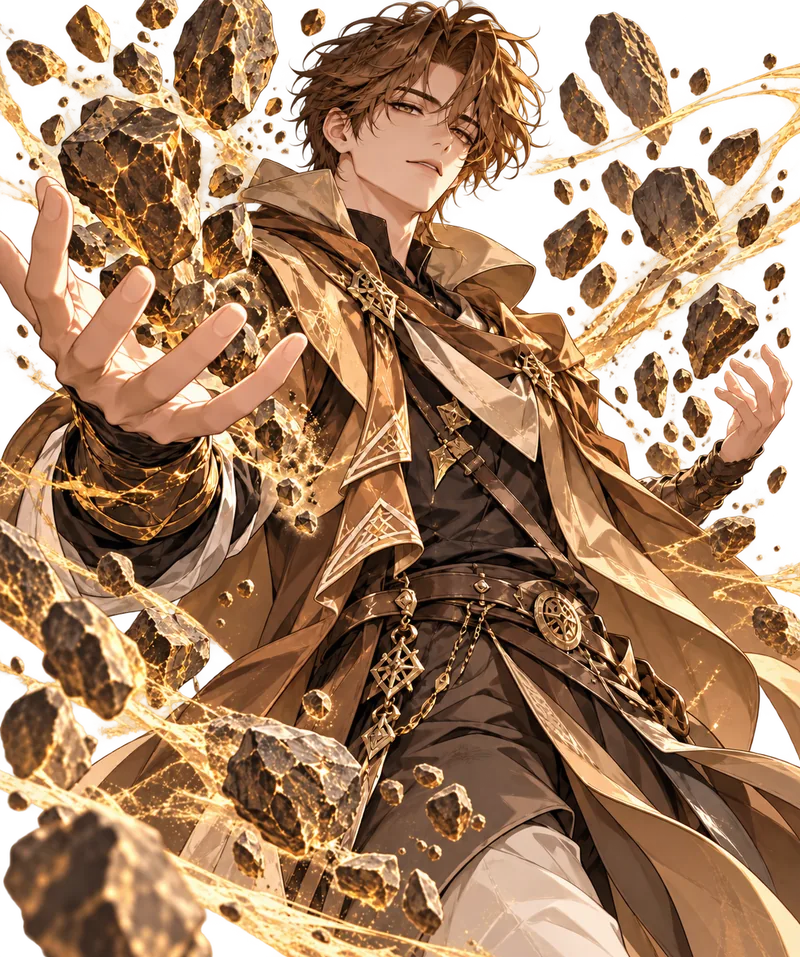
Write a Web Novel, Step by Step
→Follow one web novel, They Say I'm a Dark Mage, but All I'm Good At Is Digging Dirt, from first idea to ready-to-serialize in TypeTak.