
Character Mannerisms: 150 Examples Sorted by Emotion
A mannerism is a small, habitual way of moving or speaking that belongs to one person: tapping a pen while thinking, saying “right” before disagreeing, touching an earring when nervous. In fiction, mannerisms make characters recognizable and let readers see a feeling without being told.
This guide gives you 150 mannerisms sorted by the emotion or state they usually signal, so you can find one for the moment you're writing. After the list, it covers how to give a character a set of their own and how to keep mannerisms from turning into repeated tics on every page.
At a glance
- A mannerism is personal and repeated. A gesture anyone would make (a nod, a shrug) is body language, not a mannerism
- Give each major character two or three. More than that, and readers stop noticing any of them
- Use a mannerism at moments that matter, not every time the character speaks
- A mannerism that appears when a character is hiding something is one of the cheapest ways to plant a clue
Mannerisms, habits, quirks and body language
| What it is | Example | Use in fiction | |
|---|---|---|---|
| Body language | Movements most people make | Crossing arms, nodding | Shows a feeling in the moment |
| Mannerism | A personal way of moving or speaking, repeated | Rubbing a thumb along a ring when anxious | Makes a character recognizable, signals their state |
| Habit | A routine, often done without thinking | Always sitting facing the door | Shows background and personality |
| Quirk | An unusual habit or preference | Eats the crusts first and saves the middle | Adds color, sometimes humor |
The lines blur, and that's fine. What makes something a mannerism in a story is that readers learn to associate it with one character.
150 mannerisms by emotion
Each group lists gestures, verbal tics and small actions. Many work for more than one emotion; the context around them tells readers which.
Nervous or anxious
twists a ring around a finger
picks at the skin beside a thumbnail
clicks a pen until someone looks
tucks hair behind an ear that's already tucked
checks the phone without unlocking it
smooths the front of a shirt
bounces one knee under the table
laughs before saying anything serious
repeats the last word someone said
apologizes before asking a question
pats pockets for keys that are there
counts things under their breath
rubs the back of the neck
straightens objects on the table
talks faster and faster
Angry or irritated
goes very quiet and very polite
says “fine” in a way that isn't
breathes out hard through the nose
rubs the bridge of the nose
taps one finger on the table, slowly
puts things down too carefully
smiles with the mouth only
uses someone's full name
grips the back of a chair
cracks knuckles one at a time
starts sentences with “Look”
walks out mid-sentence
clears the throat before interrupting
folds a piece of paper smaller and smaller
corrects small mistakes in what others say
Sad or grieving
holds a mug without drinking from it
wears the same sweater for days
stops in the middle of a task and forgets why
answers questions a beat late
rubs the inside of a wrist
looks at old messages on the phone
sets out one plate too many
talks about the person in the present tense
keeps busy cleaning things that are clean
sleeps on top of the covers
laughs and then goes quiet
holds an object that belonged to someone
turns music off as soon as it starts
says “I'm fine” before anyone asks
avoids one particular room
Happy or excited
hums without noticing
drums fingers on the steering wheel
talks with the hands
bounces on the toes while waiting
interrupts with “wait, wait, wait”
grins at the phone
takes stairs two at a time
calls people by nicknames
claps once when an idea lands
repeats good news to everyone in the room
laughs at their own jokes before the end
sings the wrong words to songs
hugs people who aren't huggers
leans forward across the table
makes plans for things months away
Bored or impatient
checks the time on a watch they aren't wearing
sighs at the end of other people's sentences
spins a pen between two fingers
reads labels on bottles
taps a foot to no rhythm
finishes other people's sentences
says “anyway” to change the subject
doodles in margins
stacks and restacks coins
yawns without covering the mouth
scrolls without reading
leans back until the chair creaks
asks “are we done?” as a joke that isn't
picks lint off a sleeve
looks past people at the door
Thinking or concentrating
chews the end of a pen
tilts the head to one side
narrows the eyes at nothing
talks to themselves in the second person
pushes glasses up the nose
taps the lips with a finger
closes the eyes to listen
writes on the back of a hand
paces in a fixed route
stops mid-step
says “hang on” and holds up one finger
pulls at the lower lip
draws diagrams on napkins
answers a question with a question
goes completely still
Confident or in control
lets silences run
sits with an arm along the back of the bench
speaks a little slower than everyone else
makes eye contact and holds it
never checks the phone in a conversation
uses people's names often
takes up the middle of a room
stands with feet planted
smiles before saying no
finishes drinks in one go
laughs loudly and briefly
leans back when others lean in
asks short questions
never explains a joke
holds doors and walks through last
Lying or hiding something
gives too much detail
touches the face more than usual
answers a question nobody asked
repeats the question before answering
looks at the person's mouth instead of their eyes
changes the subject with a compliment
laughs at the wrong time
holds very still
keeps hands out of sight
says “honestly” or “to be fair”
over-explains a simple choice
gets defensive about small things
offers to help too quickly
stares a little too steadily
pauses before names
Attracted or flirting
laughs at jokes that weren't that funny
mirrors the other person's posture
plays with a necklace
finds reasons to touch an arm
remembers small details from weeks ago
stands closer than they need to
fixes their hair when the person walks in
teases more than usual
lowers their voice
looks away and then back
lingers after goodbyes
asks questions and listens to the answers
uses the person's name a little too often
blushes and then talks faster
borrows things to have a reason to return them
Tired or worn out
rubs the eyes with the heels of the hands
loses the end of sentences
leans on doorframes
reads the same line twice
stirs coffee long after the sugar dissolves
laughs at things that aren't funny
forgets what they came into the room for
speaks in shorter and shorter sentences
falls asleep sitting up
says “what?” and then answers anyway
props the chin on a hand
wears yesterday's clothes
stretches the neck side to side
lets the phone ring out
puts things down and walks away from them
How to give a character their own mannerisms
- Start from who they are. A mannerism should fit the character's background. A former nurse might check pulses without thinking. A farm kid might rub dirt between finger and thumb to judge it.
- Pick two or three, not ten. One for their resting state, one for stress, and one that shows up when they're hiding something. That's enough for most characters.
- Make them specific. “Fidgets” is vague. “Twists the button on her left cuff until it comes loose” is a mannerism readers will remember.
- Write them down. Keep a list on your character sheet. A character profile template has a place for it.
For example, here's a set for Clay Rowen from They Say I'm a Dark Mage, but All I'm Good At Is Digging Dirt, the story in TypeTak's Web Novel Course. Clay grew up on a farm, reading the state of the soil. These mannerisms are examples written for this guide.
- At rest: rubs a pinch of soil between finger and thumb whenever he's near earth, as if testing it.
- Under stress: brushes dust off the hem of his coat, the patched one his mother mended.
- Hiding something: keeps his palm flat on the ground or table, because that's where his magic is, and he's afraid it will show.
Mannerisms without repetition
The most common problem isn't choosing mannerisms but overusing them. If a character sighs on every page, readers stop seeing the sigh and start seeing the writer.
- Use the mannerism at turning points. The first time we meet the character, when they're under real pressure, and when it gives something away.
- Let it change. A mannerism that stops can mean as much as one that starts. If the nervous character stops twisting her ring, something has shifted.
- Watch your crutch gestures. Nodding, sighing, shrugging, smiling and looking away are the gestures most writers repeat without noticing. Search your draft for them.
- Use dialogue too. A verbal tic (“right,” “anyway,” “to be fair”) does the same job as a gesture, and it varies the page.
Keeping mannerisms consistent in TypeTak
TypeTak is an AI writing editor where you write alongside an agent. When you've given characters mannerisms, what you want is for each one to stay with its character, and for the gestures you overuse to show up before readers notice them.
- Spot the gesture you repeat. The Style card in Feedback lists words you lean on too often, such as “sighed” or “shrugged,” and highlights every place they appear in the manuscript.
- Catch a mannerism on the wrong character. Feedback also checks a passage against your lore. If you noted that a character is quiet and they suddenly talk for a page, the Consistency card shows that line.
- Keep each character's set in one place. Mannerisms go on the character's page in your World, next to their traits and the lines in the manuscript where they appear.
Which mannerisms to give a character and when to let them change is up to you. For the traits behind the gestures, see the Character Traits List; for the flaws, see the Character Flaws List.
FAQ
What are mannerisms?
Mannerisms are a person's habitual gestures or ways of speaking, like tapping a pen, touching a necklace or saying “right” before disagreeing. In writing, they help readers recognize a character and read their mood.
What are examples of mannerisms?
Rubbing the bridge of the nose when frustrated, bouncing a knee when nervous, humming when happy, giving too much detail when lying, and leaning on doorframes when tired are all common mannerisms. The list above has 150 more.
What's the difference between a mannerism and a quirk?
A mannerism is a habitual gesture or speech pattern, usually linked to a mood. A quirk is an unusual habit or preference that makes someone distinctive, like eating the crusts first. Some traits are both.
How many mannerisms should a character have?
Two or three is enough for a major character, and one is often enough for a minor one. More than that, and none of them stand out.
How do I show mannerisms without being repetitive?
Use them at important moments rather than in every scene, vary between gestures and verbal tics, and let them change as the character does. Searching your draft for common gestures like “sighed” and “nodded” helps too.
Sources
- Mannerism
- Merriam-Webster — Mannerism
- Mannerism (behavior)
- Wikipedia — Mannerism (behavior)
Share this post
Write a better opening line with TypeTak, starting today
Get started with TypeTak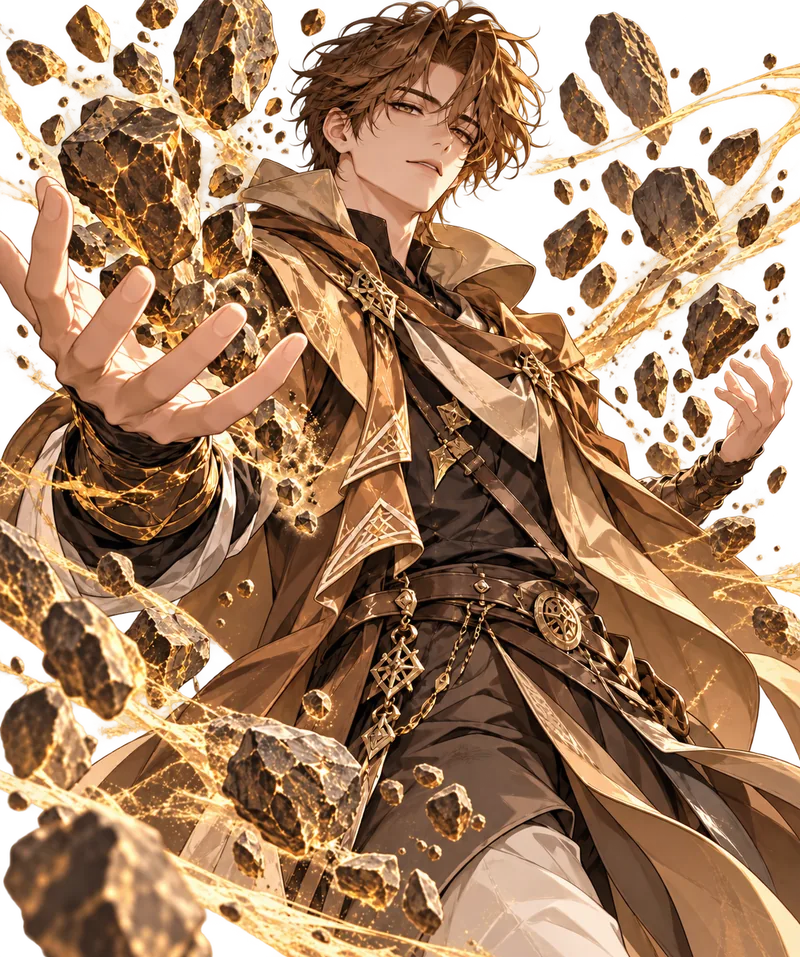
Write a Web Novel, Step by Step
→Follow one web novel, They Say I'm a Dark Mage, but All I'm Good At Is Digging Dirt, from first idea to ready-to-serialize in TypeTak.