
Fantasy Classes List: 60 Character Classes by Role, Plus How to Invent Your Own
A fantasy class is a character's role in a world with game-like rules: what they're trained to do, what they're good at and what they can't do. Classes come from tabletop and video games, and they're now common in LitRPG, progression fantasy and adventure novels.
This list gives you 60 classes sorted by the role they play in a party, with a line on what each brings to a story. After the list, you'll find advanced and hidden classes, how to build a class system for your own book, and a sheet you can copy.
At a glance
- Most classes fall into six roles: fighter, mage, healer, rogue, support and crafter.
- A class is defined as much by what it can't do as by what it can.
- Advanced and hidden classes give your hero room to grow without breaking the system.
- In a novel, the most interesting class is often the one that doesn't fit the party.
Fighters
| Class | What they do | In a story |
|---|---|---|
| Warrior | Melee combat with any weapon | The default hero, easy to read |
| Knight | Armored fighter bound by an oath | Conflict between duty and desire |
| Berserker | Trades defense for rage and damage | A temper that's both weapon and danger |
| Guardian | Protects others, absorbs hits | Loyalty, sacrifice |
| Duelist | One-on-one swordplay | Pride, honor, rivalries |
| Lancer | Spear or lance, often mounted | Cavalry battles, reach |
| Gladiator | Fights for crowds | Fame, captivity, revenge |
| Monk | Unarmed combat and inner discipline | Control, calm under pressure |
| Swordmaster | A single blade, years of practice | Restraint, honor |
| Spellblade | Mixes swordplay and magic | Jack of two trades, master of neither at first |
Mages
| Class | What they do | In a story |
|---|---|---|
| Wizard | Learns magic through study | Knowledge as power, libraries, academies |
| Sorcerer | Born with magic | Power without understanding |
| Elementalist | Commands fire, water, earth, air | Clear rules readers grasp quickly |
| Necromancer | Raises and commands the dead | Taboo, moral gray zones |
| Illusionist | Deceives the senses | Trickery, unreliable scenes |
| Summoner | Calls creatures to fight | Bonds with summoned beings |
| Enchanter | Puts magic into objects or minds | Subtle power, consent questions |
| Chronomancer | Bends time | Paradoxes, loops |
| Warlock | Gains power through a pact | A price that comes due |
| Hexer | Curses and weakens enemies | Slow, cruel victories |
| Rune mage | Writes magic as symbols | Preparation over speed |
| Geomancer | Shapes earth and stone | Building, digging, defense |
Healers
| Class | What they do | In a story |
|---|---|---|
| Cleric | Heals through divine power | Faith, doubt, church politics |
| Priest | Blesses and purifies | Authority, ritual |
| Druid | Nature magic and shapeshifting | Wilds against cities |
| Shaman | Talks with spirits | Ancestors, old customs |
| Herbalist | Healing with plants and potions | Slow, practical healing |
| Medic | Mundane battlefield medicine | Grit, triage, hard choices |
| Saint | Rare, overwhelming holy power | A weapon others want to own |
Rogues
| Class | What they do | In a story |
|---|---|---|
| Thief | Stealth, locks, pockets | Heists, divided loyalty |
| Assassin | Kills from the shadows | Guilt, a past that follows |
| Scout | Finds paths and enemies first | The eyes of the party |
| Ranger | Archery and wilderness skills | Loner, tracker |
| Spy | Gathers secrets, wears masks | Double lives |
| Trickster | Deception and misdirection | Comic relief with a sharp edge |
| Smuggler | Moves goods past the law | Underworld connections |
| Shadow dancer | Moves through darkness | Mystery, a hidden origin |
Support
| Class | What they do | In a story |
|---|---|---|
| Bard | Magic through music and stories | Charm, rumor, morale |
| Tactician | Plans fights, reads enemies | Brains over brawn |
| Beast tamer | Fights alongside animals | Bonds, loyalty tests |
| Banner bearer | Raises allies' strength | Leadership, symbolism |
| Oracle | Sees glimpses of the future | Fate, warnings nobody heeds |
| Diplomat | Talks instead of fights | Politics, compromise |
| Cartographer | Maps the unknown | Exploration, discovery |
| Merchant | Trades, bargains, finances | Money as power |
Crafters
| Class | What they do | In a story |
|---|---|---|
| Blacksmith | Forges weapons and armor | A quiet power behind heroes |
| Alchemist | Brews potions and transmutes | Experiments, explosions |
| Enchanter-smith | Makes magic items | Rare goods, rich clients |
| Artificer | Builds magical machines | Invention, progress against tradition |
| Cook | Food with buffs and effects | Comfort, community |
| Farmer | Grows crops, sometimes magical | Slice of life, unexpected strength |
| Builder | Raises walls, towns, fortresses | Base building, settlement stories |
| Tailor | Makes clothes and armor | Status, disguise |
| Scribe | Copies scrolls and spell books | Knowledge, forgery |
| Miner | Digs ore and gems | Underground worlds |
| Beast breeder | Raises mounts and monsters | Bonds over generations |
| Golem maker | Builds servants of stone or metal | Questions of life and control |
| Hunter | Tracks and harvests monsters | Survival, materials for crafters |
| Jeweler | Cuts gems, makes rings | Wealth, hidden magic |
| Architect | Designs buildings and dungeons | Long-term plans, traps |
Advanced and hidden classes
A class system needs room to grow. Two common ways to give it:
- Advanced classes. A warrior becomes a knight or a berserker, and a wizard becomes an archmage. Each step adds power and narrows the path.
- Hidden or unique classes. A class that appears only under strange conditions, like a gardener who has killed a hundred monsters with a shovel. In LitRPG, a hidden class is a favorite way to give the hero an edge without making them the strongest from day one. See What Is LitRPG? for more of the genre's habits.
How to design a class system for your story
- Decide how people get a class. Chosen, assigned at birth, granted by a system, earned by practice?
- Decide what each class can't do. Limits create the need for a party and make choices painful.
- Decide whether classes can change. Advancement, switching, multi-classing, or never.
- Decide how society sees each class. Is a necromancer jailed? Is a farmer class a joke? Social standing turns a class into a story.
- Keep the count low. A novel doesn't need sixty classes. Eight to twelve that readers can remember are enough. Leave the rest as background.
Copyable class sheet
[Class]
Name:
Role: fighter / mage / healer / rogue / support / crafter
How it's obtained:
Strengths:
Can't do:
Advanced classes:
How society sees it:
Famous holder in the story:
Keeping classes and skills straight in TypeTak
TypeTak is an AI writing editor where you write alongside an agent. Use it to settle each class's limits once and keep them the same across a long series.
- Every class and character sheet is in one place — classes, the skills they unlock and who holds them sit on pages in your World, so you can check a limit in seconds.
- Classes invented mid-draft don't slip through — when a new class or skill appears in the manuscript, TypeTak points out that it isn't in your lore yet and files it when you click.
- A broken limit gets flagged — Feedback checks the passage on screen against your lore. If your healer suddenly casts a spell you said only mages can learn, that line shows up on the Consistency card.
For the rest of your setting, see Worldbuilding, Magic Types and Fantasy Races.
FAQ
What are the main fantasy classes?
The classic core is warrior, mage, healer and rogue. Most other classes are variations or mixes of these four, plus support and crafting roles.
How many classes should a fantasy novel have?
Fewer than a game. Eight to twelve classes that readers can tell apart are usually enough. Others can exist in the background.
What is a hidden class in LitRPG?
A class that most people don't know about or can't get, unlocked under unusual conditions. It gives the hero an edge while keeping the rest of the system intact.
What's the difference between a wizard and a sorcerer?
In most fantasy, a wizard learns magic through study and a sorcerer is born with it. That difference makes good conflict: discipline against talent.
Can I use classes in a novel that isn't LitRPG?
Yes. Plenty of fantasy has orders, guilds and trained roles without numbers. A class can simply be a profession with clear abilities and limits.
Sources
- Character class
- Wikipedia — Character class
Share this post
Write a better opening line with TypeTak, starting today
Get started with TypeTak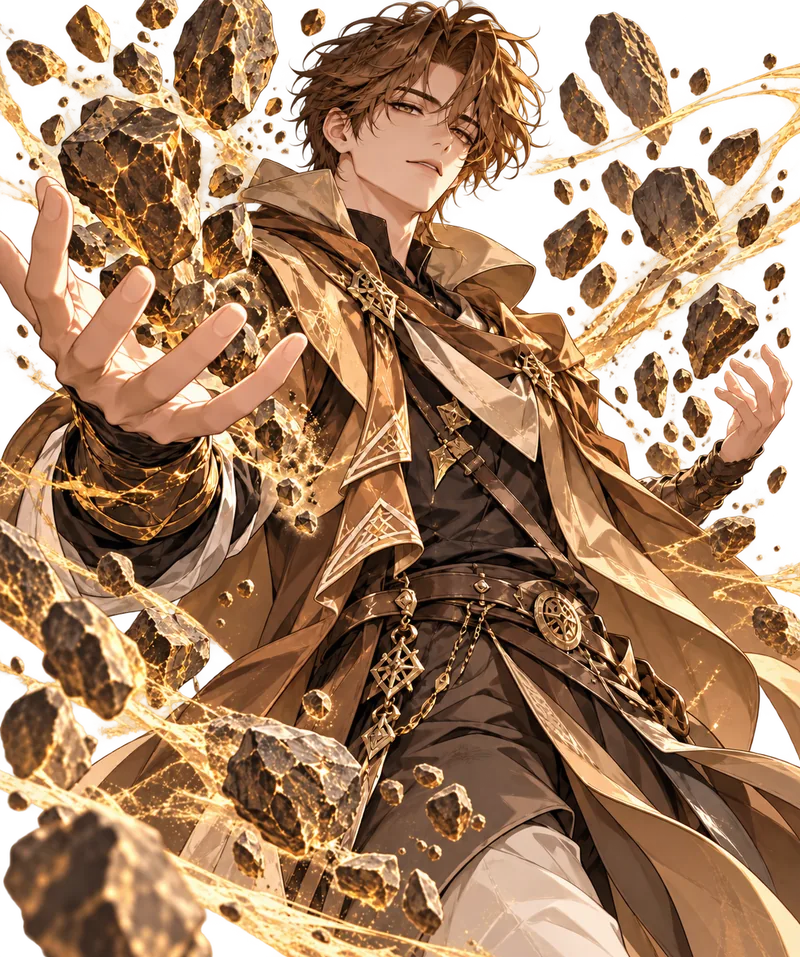
Write a Web Novel, Step by Step
→Follow one web novel, They Say I'm a Dark Mage, but All I'm Good At Is Digging Dirt, from first idea to ready-to-serialize in TypeTak.